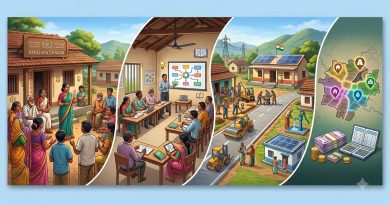
Demand for District Status for Nurpur Grows to Address Regional Development Gap
In recent developments, there has been a growing call for Nurpur, a region in Himachal Pradesh, to be granted district status. This demand is gaining momentum as local leaders and residents believe that achieving this status could significantly contribute to bridging the regional development gap.
Advocates for Nurpurs district status argue that the area has the potential for enhanced administrative efficiency and improved access to government services. Currently, Nurpur is categorized as a tehsil, which limits its administrative capabilities and resources. Supporters of the movement assert that elevating Nurpur to district status would empower local governance, allowing for better management of resources and more focused development initiatives.
The push for district status is not just about administrative changes; it is also seen as a means to stimulate economic growth in the region. Proponents believe that with district status, Nurpur could attract more investment, leading to job creation and improved infrastructure. This, in turn, would help address the disparities in development that exist between Nurpur and other regions of Himachal Pradesh.
Local leaders have been vocal in their support for this initiative, organizing meetings and rallies to raise awareness about the benefits of district status. They emphasize that the residents of Nurpur deserve equal opportunities for growth and development, similar to those enjoyed by other districts in the state.
The demand for district status has also garnered attention from various political parties, with some pledging their support for the cause. This political backing is crucial, as it could influence decision-makers at the state level to consider the proposal more seriously.
As the movement gains traction, residents of Nurpur remain hopeful that their voices will be heard and that the necessary steps will be taken to elevate their regions status. The outcome of this demand could have lasting implications for the future of Nurpur, potentially transforming it into a hub of development and opportunity.
In conclusion, the growing demand for district status in Nurpur reflects a broader desire for equitable development across regions. As local leaders and residents continue to advocate for this change, the focus remains on ensuring that Nurpur receives the attention and resources it needs to thrive. The journey towards achieving district status is seen as a critical step in addressing the developmental disparities that have long affected the area.