
Iran Assumes Leadership Role in Nuclear Negotiations Amid Ongoing Controversy Over Its Nuclear Program
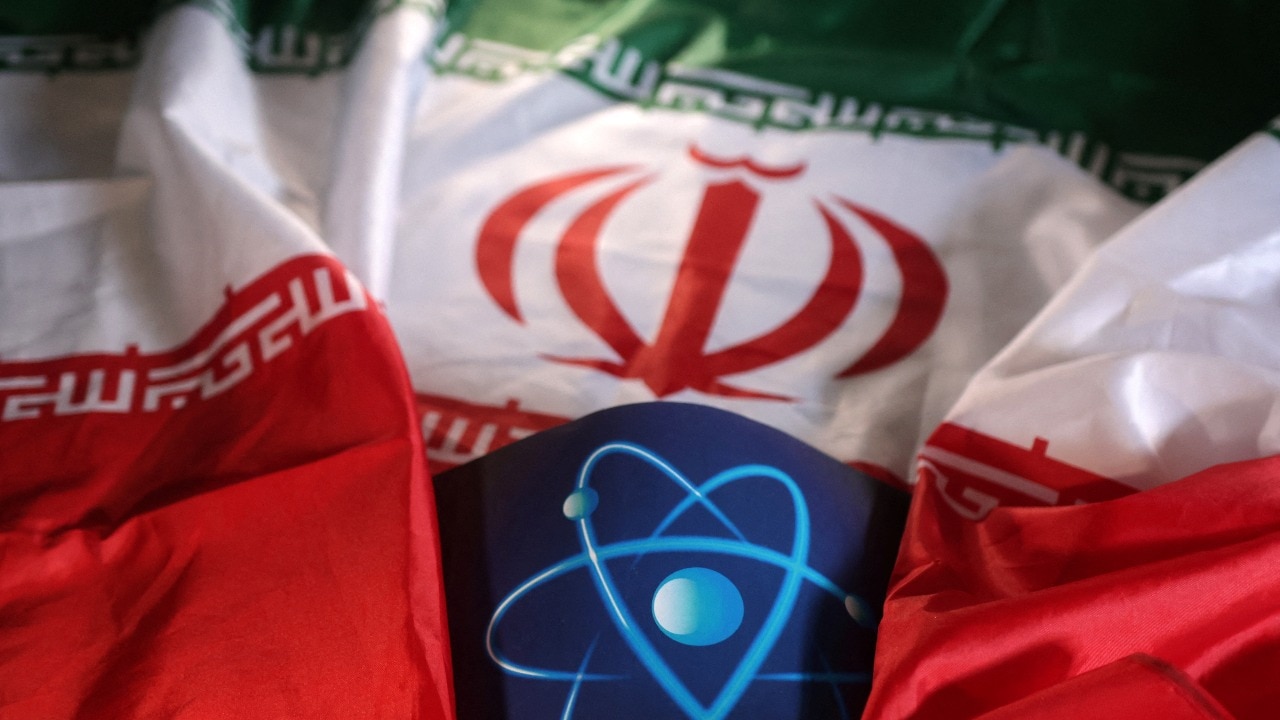
Iran has been elected to lead negotiations regarding the Non-Proliferation Treaty (NPT), a significant development occurring against the backdrop of ongoing tensions related to its nuclear weapons program. This appointment comes amidst escalating hostilities in the broader geopolitical landscape, particularly between Iran and Israel.
The election took place during a recent United Nations conference focused on nuclear disarmament, where Irans growing influence in nuclear discussions has raised eyebrows among international observers and stakeholders. Critics argue that Irans involvement could complicate efforts to address global nuclear non-proliferation concerns, especially given the nations contentious history with its nuclear initiatives.
The NPT is designed to prevent the spread of nuclear weapons and promote peaceful uses of nuclear energy, and Irans leadership role highlights a paradox where a nation under scrutiny for its nuclear ambitions is now tasked with guiding dialogues intended to curb nuclear proliferation. The implications of this appointment extend beyond the Middle East, affecting global security dynamics and diplomatic relations involving major powers.
Irans nuclear program has been a point of contention since the early 2000s, with allegations of secretive operations aimed at developing nuclear weapons capabilities. Despite years of negotiations and various international agreements, including the 2015 Joint Comprehensive Plan of Action (JCPOA), tensions remain high, particularly following the U.S. withdrawal from the JCPOA in 2018 and subsequent sanctions imposed on Iran.
As Iran assumes this leadership role, the international community will be closely monitoring its actions and the broader repercussions for nuclear policy and security in the region.