
Irans Response to JD Vance Signals a Shift in Diplomatic Engagements with Washington
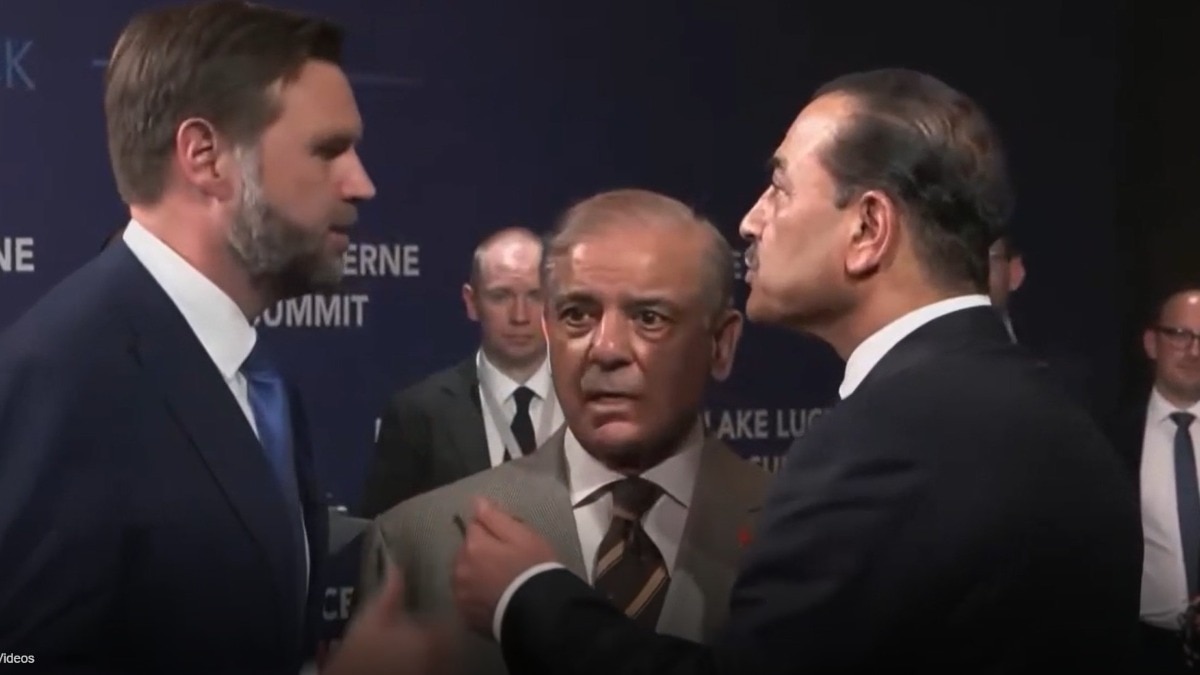
Title: Irans Decision to Snub JD Vance During Switzerland Talks Raises Diplomatic Tensions
In a recent development within U.S.-Iran diplomatic relations, Iran has declined to engage with Ohio Senator JD Vance during peace talks held in Switzerland. This decision has been interpreted as a sign of Irans assertive stance in negotiations, further complicating the already delicate situation between the two nations.
The talks, which aimed at addressing various contentious issues, including nuclear capabilities and missile programs, have drawn significant international attention. Irans rejection of Vance, a prominent member of the Republican Party and an outspoken critic of the Iranian government, has raised questions about the effectiveness of U.S. diplomatic efforts in the region.
Diplomatic analysts suggest that this incident could signify Irans confidence in its position, especially in light of recent geopolitical developments and shifts in U.S. foreign policy under former President Donald Trumps administration. The 2015 nuclear deal, officially known as the Joint Comprehensive Plan of Action (JCPOA), had previously facilitated some degree of dialogue, but tensions have escalated in recent years, particularly following the U.S. withdrawal from the agreement.
The implications of these developments are significant, as they could affect ongoing negotiations aimed at ensuring regional stability and curbing nuclear proliferation. Observers are closely monitoring U.S. responses to Irans assertive diplomatic maneuvers, especially as relations continue to evolve.
Further discussions are expected in the coming weeks, with stakeholders from various countries engaging to facilitate a resolution that addresses the concerns of both nations and promotes security in the region.