
Netanyahus Communication with Vance Interrupts US-Iran Negotiations, Araghchi Shares Insights
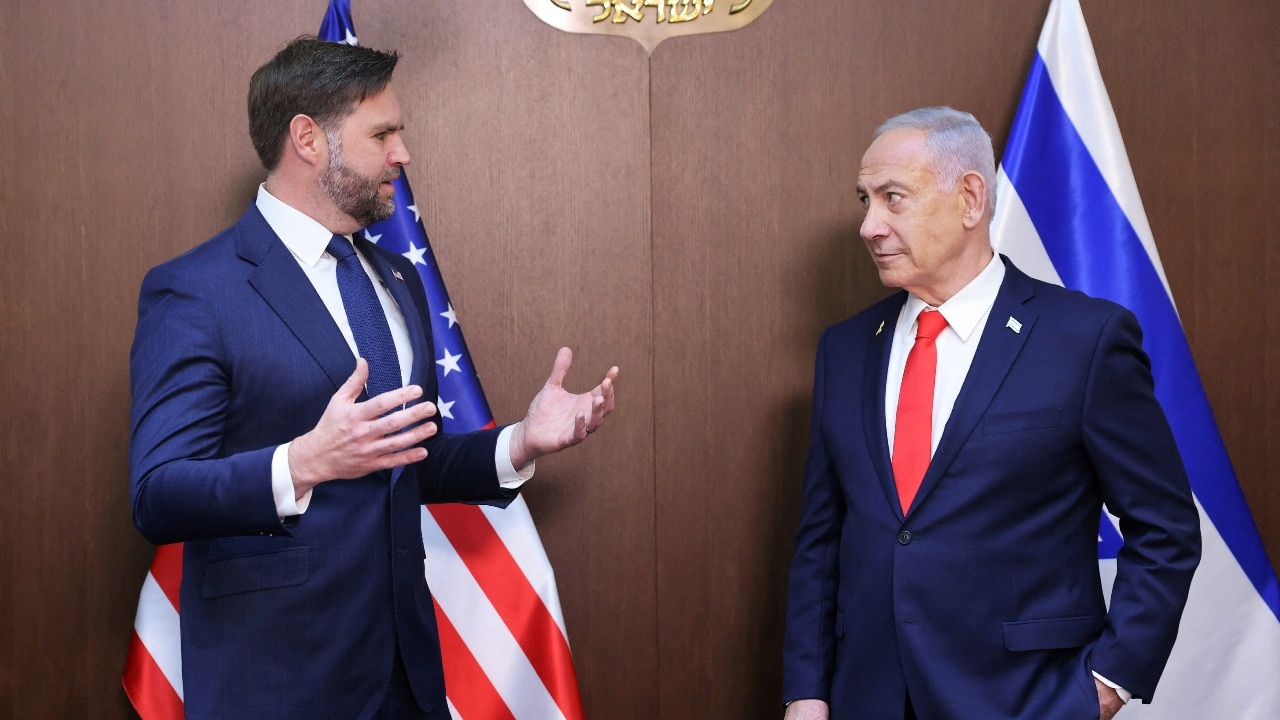
Recent revelations have emerged regarding the implications of Israeli Prime Minister Benjamin Netanyahus communications with U.S. officials on the dynamics of U.S.-Iran negotiations. Mohammad Javad Zarif, Irans former Foreign Minister, hinted that Netanyahus outreach to the U.S., specifically to National Security Council official Derek Vance, may have disrupted ongoing peace talks aimed at stabilizing relations between the U.S. and Iran.
According to Zarif, these discussions took place during a sensitive period of diplomatic engagement, wherein the U.S. was considering re-entering the Joint Comprehensive Plan of Action (JCPOA), commonly known as the Iran nuclear deal. The timing of Netanyahus move is said to have raised concerns among Iranian officials, as it suggested possible interference in the negotiation process.
In light of these developments, its important to consider the historical context. The JCPOA, established in 2015, aimed to limit Irans nuclear capabilities in exchange for the lifting of economic sanctions. However, the agreement faced significant setbacks after the U.S. withdrew in 2018 under the Trump administration, which led to heightened tensions between the U.S., Israel, and Iran.
The situation continues to evolve, with stakeholders closely monitoring the relationships and interactions between these nations. As diplomatic efforts persist, the impact of external influences on negotiations remains a critical factor in determining the future of U.S.-Iran relations.