Scientists Utilize Starlink Technology to Scan Earths Upper Atmosphere
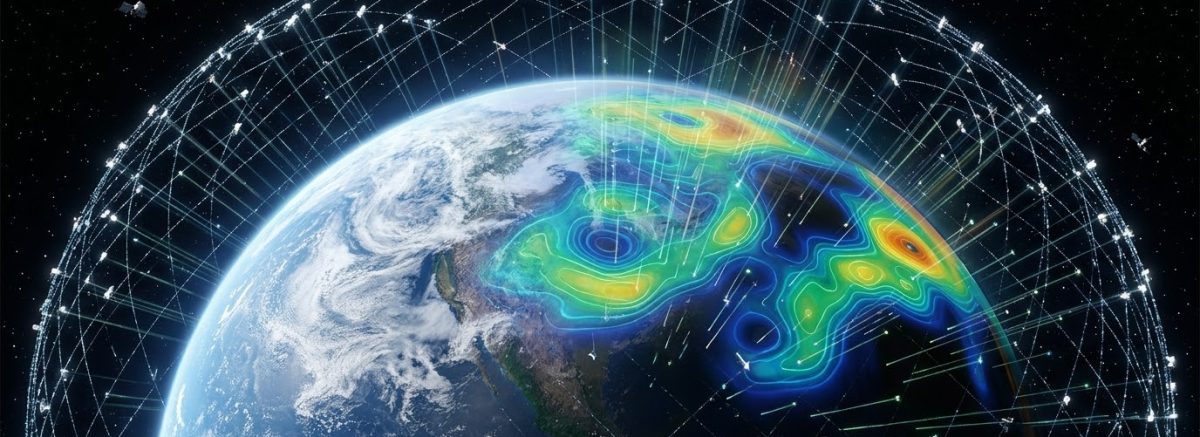
In a significant advancement for atmospheric science and space safety, researchers have developed an innovative method to map a section of Earth’s upper atmosphere that has historically presented challenges for observation. This groundbreaking study utilized data collected from approximately 1,200 Starlink satellites, which are part of a constellation launched by SpaceX aimed at providing global internet coverage.
The upper atmosphere, specifically at an altitude of around 500 kilometers above the Earths surface, plays a crucial role in the behavior and movement of satellites. Scientists have long struggled to gain precise measurements of atmospheric density in this region due to the lack of comprehensive observational tools and the dynamic nature of atmospheric conditions. However, the researchers’ novel approach involves using the vast array of orbital data captured by the Starlink satellites, which continuously monitor and transmit information regarding their positions and velocities.
By analyzing this data, the researchers were able to reconstruct variations in atmospheric density, thus providing a clearer understanding of how changing conditions affect satellite trajectories. This is particularly important as the increasing number of satellites in orbit contributes to congestion and raises the risk of potential collisions, which could have dire consequences for both space operations and terrestrial life.
The implications of this research extend beyond mere academic interest, as improved tracking of satellite movements can enhance maneuverability and safety protocols for operating in crowded low-Earth orbits. Not only does this advance help in reducing the risk of collisions, but it also aids in the efficient operation of satellite-based services, which have become integral to modern society, from communications to environmental monitoring.
Moreover, the findings may serve as a foundation for future studies aiming to develop more sophisticated atmospheric models. By applying data from commercial satellite constellations like Starlink, the scientific community may gain access to a wealth of information that can further enhance our understanding of atmospheric phenomena and their implications for satellite operations.
Overall, this research represents a pioneering step toward enhanced atmospheric observation strategies, utilizing existing commercial sources to address a pressing challenge in space management. As the number of satellites in orbit continues to grow, such innovations will be vital for the sustainable use of space and the protection of both orbital assets and the safety of operations within the lower atmosphere.
Warning: file_get_contents(https://api.ip2location.io/?key=879A2451407EE05791FC0B9A4E14A604&ip=216.73.217.95): Failed to open stream: HTTP request failed! HTTP/1.1 401 Unauthorized in /home/m1newsdesk/public_html/wp-content/themes/colormag-pro/content-single.php on line 201