SpaceX Proposes Construction of AI Data Centers in Space: Feasibility Questions Arise
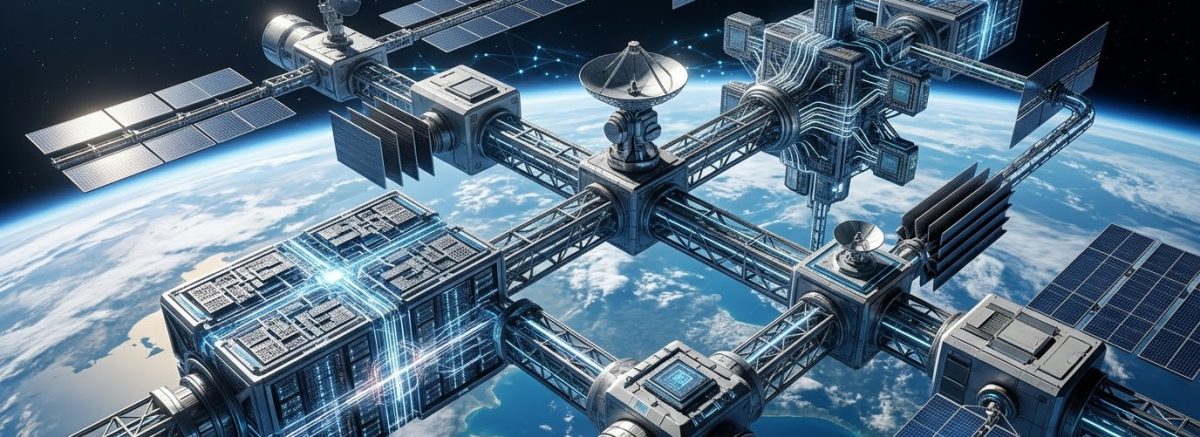
The rapid advancement of artificial intelligence (AI) technologies is driving an extraordinary surge in demand for computing power, spurring a significant race to establish data centers in space. Industry leaders and technology firms are actively exploring the potential of building orbital facilities for data processing and storage, capitalizing on the unique advantages space has to offer. Among these advantages is the potential for harnessing abundant solar energy, which could provide a consistent power source for these operations while mitigating some of the environmental challenges faced by traditional data centers on Earth.
Space-based data centers could facilitate enormous efficiency gains, particularly in energy consumption. Unlike terrestrial facilities, which often rely on non-renewable energy sources and face increasing regulatory scrutiny over their carbon footprints, orbital data centers could potentially operate using solar energy harvested directly in space. This could lead to greater sustainability in the computing sector, which contributes significantly to global carbon emissions. Furthermore, the opportunity to bypass Earth’s atmosphere may mitigate factors such as cooling inefficiencies associated with conventional data centers that require substantial resources for temperature control.
Despite the prospective benefits, the initiative to construct data centers in space is fraught with significant challenges. Operating in such a harsh environment comes with its own set of risks, including equipment maintenance, radiation exposure, and the pervasive issue of orbital debris. The delicate components required for data processing must be shielded from cosmic radiation, which can deteriorate systems over time and lead to costly repairs or replacements. Additionally, there is the pressing issue of space debris, which poses a collision risk to satellites and other orbital objects, further complicating the logistics of managing space-based operations.
Notably, several companies have already begun laying the groundwork for this burgeoning industry. Innovative startups and established tech giants alike are conducting feasibility studies and developing prototypes aimed at overcoming the technical challenges inherent to space deployment. For instance, research is ongoing into lightweight materials that could withstand aggressive space environments and advanced robotics that can perform maintenance tasks autonomously.
The potential applications for space-based data centers extend beyond supporting AI capabilities. Other potential benefits include enhanced global connectivity, innovative scientific research opportunities, and applications in telecommunications. As the demand for high-speed data transfer continues to grow, and as the global economy increasingly leans on smart technologies, the race to build data centers in the cosmos may redefine how we think about computing and data management on Earth.
In conclusion, while ambitious, the venture into establishing data centers in space presents unique opportunities coupled with formidable challenges. As technology continues to advance and more research is directed toward addressing the operational hurdles, the vision of harnessing the vastness of space for sustainable and efficient data processing may be realized, transforming the landscape of computing for future generations.