
Trumps Policy Change on Iran Impacts Netanyahus Middle East Strategy
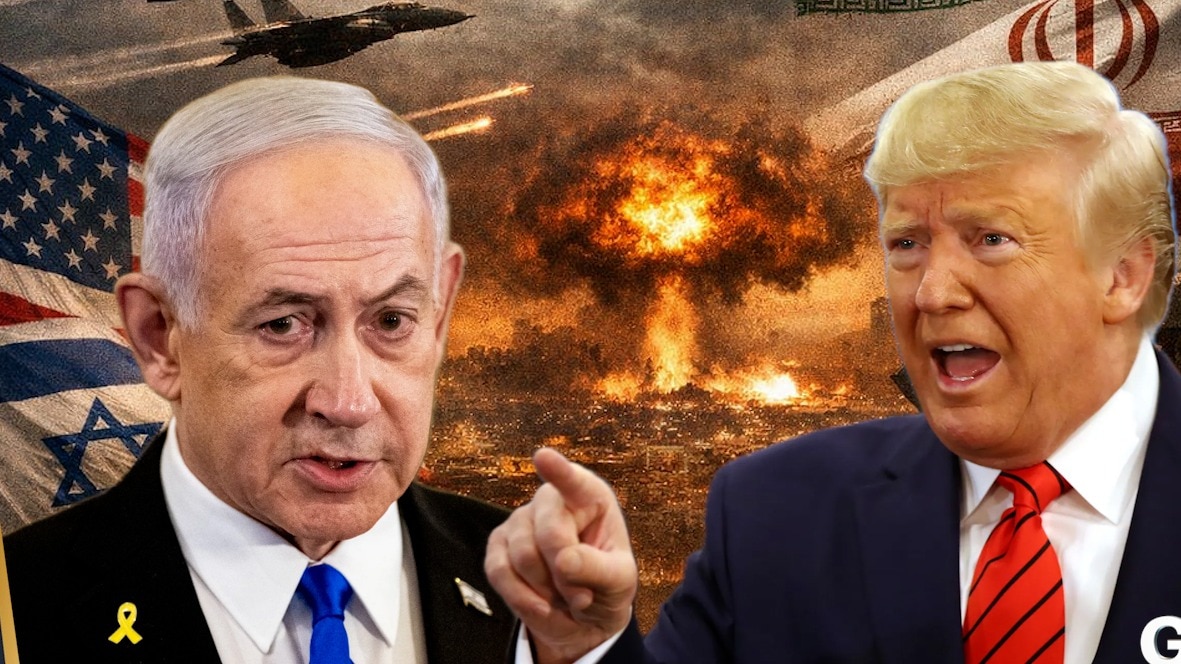
Former U.S. President Donald Trump’s recent shift in policy regarding Iran is poised to have significant implications for Israeli Prime Minister Benjamin Netanyahus strategy in the Middle East. Trumps move, which involves a recalibration of diplomatic and military postures towards Tehran, may alter the balance of power in the region and affect Israels longstanding security concerns.
Previously, Trump had adopted a hardline stance against Iran, pulling the United States out of the 2015 nuclear deal and imposing a range of economic sanctions. However, signals of a change in approach come as the Biden administration has sought to engage in renewed talks with Iran, which may undermine Netanyahu’s position, particularly in advocating for a unified front among U.S. allies in the Middle East against Iranian influence.
Netanyahu has historically relied on U.S. support to counter Irans nuclear aspirations and regional activities, constituting a cornerstone of his foreign policy. With the shifting dynamics, Netanyahu faces the challenge of reinforcing Israels security interests while also navigating the complexities of an evolving U.S.-Iran relationship.
The implications of Trumps shift extend beyond bilateral relations and could influence regional alliances, including those between Israel and Arab nations that have recently sought normalization with Israel, like the United Arab Emirates and Bahrain. As these geopolitical dynamics continue to unfold, they will play a crucial role in shaping the future of Middle East policy for both Israel and its allies.