“Assessing the Deoxygenation Trends in Global River Systems: Implications for Ecosystems and Biodiversity”
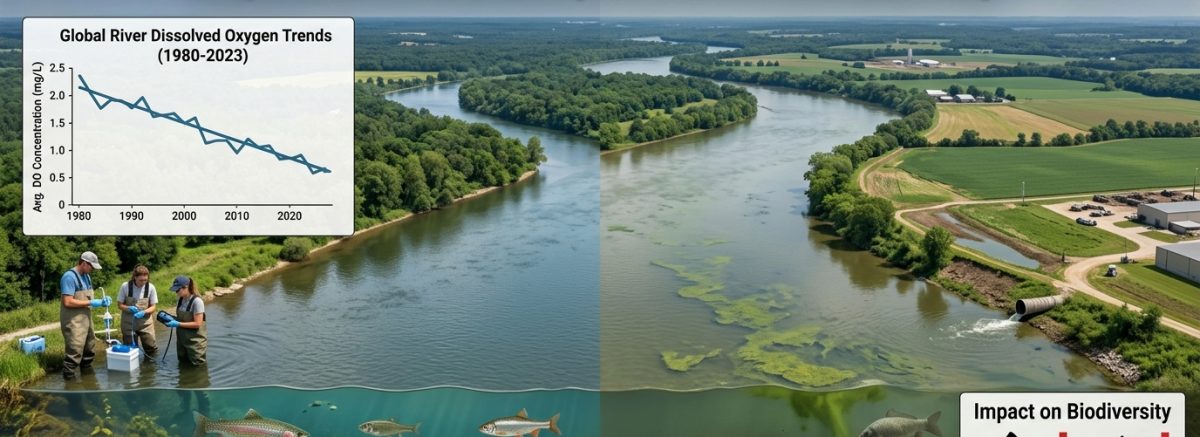
A comprehensive global assessment has revealed alarming trends in the health of river ecosystems worldwide, indicating a significant decline in oxygen levels across numerous river systems. This analysis, which scrutinized over 21,000 river systems, uncovered that nearly 80% have experienced a gradual decrease in dissolved oxygen levels over the last forty years. Researchers attribute this concerning phenomenon primarily to the effects of climate change, which is altering water temperatures, flow patterns, and nutrient loads in freshwater bodies.
The implications of dwindling oxygen levels in rivers are dire, particularly for aquatic life. Oxygen is crucial for the survival of various species, including fish, aquatic insects, and microorganisms. The decrease in dissolved oxygen can lead to hypoxia—a condition where oxygen levels are insufficient to support aquatic life—which can result in mass die-offs of fish and other organisms. This, in turn, disrupts the delicate balance of river ecosystems and threatens biodiversity, impacting not only the species inhabiting these waters but also the communities and industries that rely on them.
Interestingly, the study highlights that tropical rivers are experiencing the most severe declines in dissolved oxygen, even surpassing rivers in polar regions that are undergoing rapid warming. This finding underscores the complex interplay between climate factors and local environmental conditions. In tropical regions, increased temperatures can lead to intensified respiration rates among organisms and enhanced decomposition of organic materials, both of which consume oxygen. Additionally, heightened rainfall and flooding can lead to more nutrient runoff from agricultural practices, further exacerbating the problem through eutrophication—a process that leads to oxygen depletion.
These oxygen losses are not merely a matter of ecological concern. They carry significant implications for human communities that depend on healthy river ecosystems for resources and livelihoods. Fishermen, recreational users, and those who rely on freshwater for drinking and irrigation could all be adversely affected as aquatic species dwindle and water quality declines.
As the effects of climate change continue to unfold, the findings of this study serve as a stark reminder of the urgent need for concerted global efforts to monitor and mitigate its impact on freshwater ecosystems. Addressing the root causes of climate change while implementing effective river management practices will be essential to ensure the longevity and health of these vital water systems.
The results of the study call for increased awareness, research, and action among policymakers, scientists, and conservationists alike. This alarming trend of declining oxygen levels in rivers represents a critical indicator of the broader environmental changes brought on by climate change, with far-reaching consequences that underline the interconnectedness of our planets ecosystems. Addressing these issues is imperative for global sustainability and the preservation of biodiversity, as freshwater systems are vital to all forms of life on Earth.