Innovative Fuel Cell Technology May Facilitate Electric Aviation
**Innovative Fuel Cell Development: A New Era in Energy Storage and Electrification**
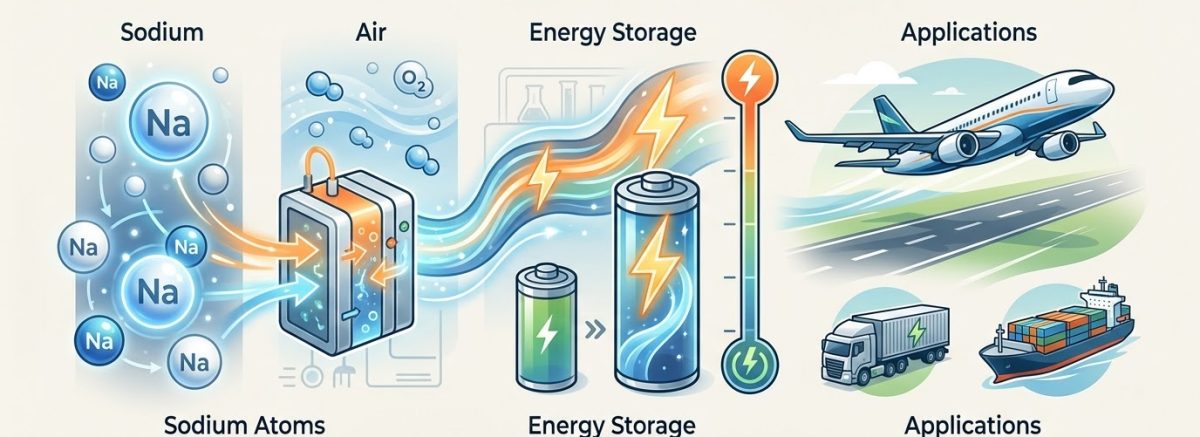
Engineers have unveiled a groundbreaking fuel cell that significantly surpasses the energy density of traditional lithium-ion batteries, delivering more than three times the energy per pound. This promising innovation is rooted in a reaction between sodium metal and air, positioning it as a potentially transformative solution for various transportation sectors, including aviation, trucking, and shipping.
The development of this advanced fuel cell has arisen out of increasing demand for sustainable and efficient energy solutions amid growing concerns about fossil fuel consumption and carbon emissions. One of the crucial advantages of this new fuel cell technology is its use of sodium, an abundant and cost-effective element, in place of the more commonly used lithium. This switch not only reduces material costs but also addresses the geopolitical issues associated with lithium mining and supply.
The technology behind the sodium-air fuel cell is based on a redox (reduction-oxidation) reaction, which efficiently converts chemical energy into electrical energy. When sodium metal interacts with oxygen from the air, a chemical reaction occurs, generating electricity while producing sodium oxide as a byproduct. The lightweight nature of sodium makes this fuel cell particularly appealing for applications where weight is critical, such as in aerial and maritime transport.
In comparison, lithium-ion batteries, which are currently the dominant form of energy storage, have limitations in terms of energy density, resource availability, and recycling challenges. As industries increasingly explore electrification and the transition from internal combustion engines, the search for alternatives that offer higher energy efficiency and reduced environmental impact has intensified.
The implications of this fuel cell technology extend beyond transportation. It may also pave the way for advancements in renewable energy storage and grid stabilization, contributing to more resilient and sustainable energy systems. The ability to store large amounts of energy effectively can bolster the integration of solar, wind, and other renewable sources, allowing for a more stable energy supply.
While this innovative fuel cell technology holds great promise, it is still in the developmental stage. Engineers are focused on overcoming potential challenges associated with material durability, efficiency, and scalability. Ongoing research and testing will be essential to ensure that the fuel cell can operate effectively under various environmental conditions and meet safety standards for commercial use.
As the world continues to seek greener solutions in transportation and energy production, the development of this sodium-air fuel cell could represent a major leap forward. Should it succeed in commercialization, it may not only lead to significant advancements in electric vehicles and other forms of transport but also contribute to global efforts aimed at reducing greenhouse gas emissions and promoting sustainable energy practices. As further developments unfold, the potential applications and impact of this technology will be closely monitored by experts in both the energy and transportation industries.