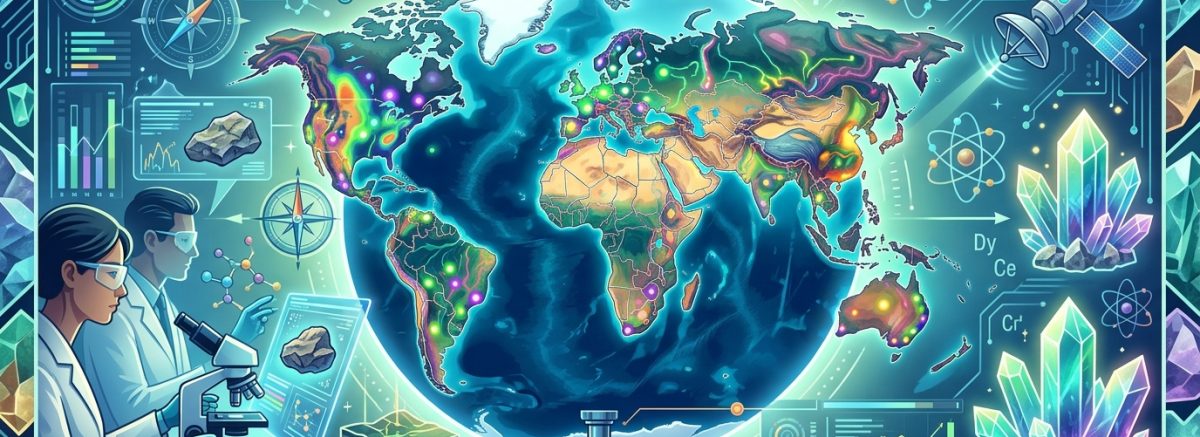
Scientists Develop Global Map Identifying Potential Rare Earth Deposits
In a significant advancement for geoscience and resource management, researchers have developed a comprehensive global “treasure map” that pinpoints potential locations for rare earth elements (REEs). This innovative mapping project aims to highlight areas where volcanic rocks, known for their rich deposits of these essential materials, are most likely to form. The research is particularly crucial as REEs are vital components in various high-tech applications, including smartphones, electric vehicles, and wind turbines.
The study combines a wealth of data collected from thousands of rock samples gathered from various geological settings across the planet and integrates this information with advanced seismic imaging techniques. By analyzing the deep structural composition of the Earth, the research team was able to identify a correlation between rare earth element deposits and the ancient, thick roots of continental landmasses. These roots, remnants of past geological processes, provide the necessary conditions for the formation of metal-rich volcanic rocks.
Rare earth elements, despite their name, are not as scarce as one might think; they are relatively abundant in the Earth’s crust but are often dispersed and challenging to extract economically. The importance of REEs has surged in recent years due to their critical roles in manufacturing high-performance magnets, catalysts, and other materials essential for green technologies and electronics. As the global demand for such products continues to rise, securing a stable supply of these elements has become increasingly important.
The researchers emphasize that their newly created treasure map not only marks potential mining locations but also provides insights into the geological processes that lead to the formation of these valuable resources. This understanding could pave the way for more sustainable extraction methods and reduce the environmental impact associated with mining operations.
Furthermore, the teams findings may also help guide future exploration efforts, allowing companies and governments to target areas with the highest potential returns on investment. This is particularly significant as countries around the world, like the United States, China, and those within the European Union, navigate supply chain vulnerabilities related to rare earths.
In conclusion, this groundbreaking research offers a promising avenue for harnessing rare earth elements more efficiently, potentially transforming the landscape of resource extraction and management. With nations striving for greater independence from foreign sources of REEs and aiming to boost domestic production capabilities, the treasure map serves not only a scientific purpose but an economic one, laying the groundwork for a more sustainable and secure future in technology and energy production.