
“Pakistan Faces Economic Strain Amid Escalating Iran-US Tensions, Differing from Past Global Crises”
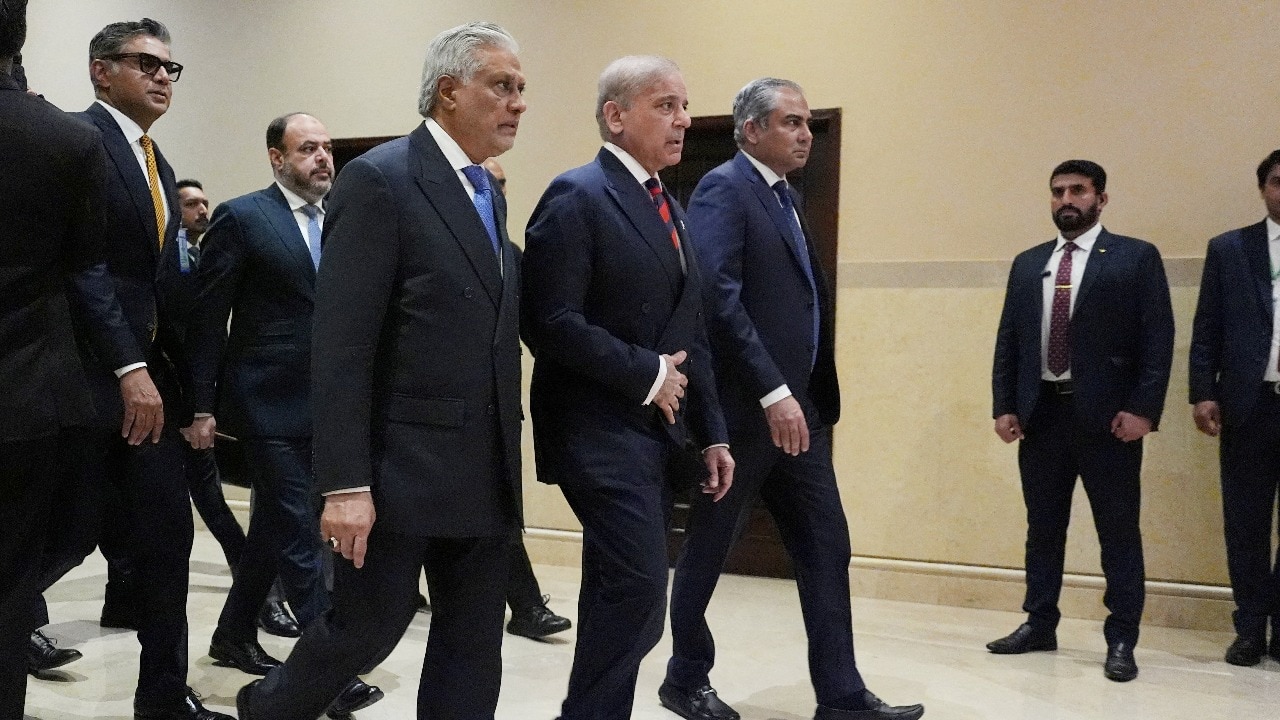
**Title: Pakistan Faces Economic Challenges Amid Escalating Iran-U.S. Tensions**
As tensions between Iran and the United States intensify, Pakistan is grappling with significant economic challenges that reflect the complexities of its geopolitical position. Unlike previous global crises, such as the events following September 11, 2001, or the Cold War era, where Pakistan experienced notable economic windfalls, the current situation is markedly different.
The ongoing conflict in the Strait of Hormuz, a critical maritime route for global oil shipments, is heightening regional instability. This backdrop has implications for Pakistan, which relies on this route for its energy imports. Rising oil prices and potential disruptions in supply chains may further strain Pakistans already fragile economy.
The Pakistan government has been in discussions with various stakeholders to navigate the adverse effects of these geopolitical tensions. Policymakers are concerned that without tangible economic support from external allies, the fallout from this crisis could exacerbate existing challenges, including inflation and a burgeoning trade deficit.
Historically, international crises have sometimes provided Pakistan with economic assistance or investment opportunities. However, analysts suggest that the current geopolitical landscape does not favor such outcomes, as global powers reassess their strategic interests in the region.
As the situation develops, Pakistan’s leadership will need to consider a multifaceted approach to mitigate the potential economic fallout from the escalating Iran-U.S. crisis while maintaining regional stability.