Scientists Create Soil-Based Fuel Cell Technology as a Potential Alternative to Batteries
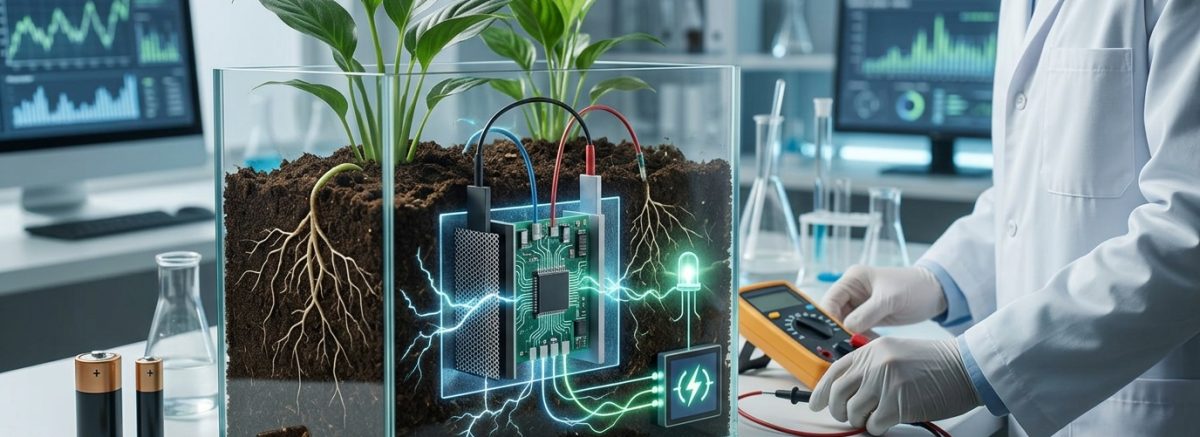
Researchers have successfully developed a novel fuel cell that harnesses the power of soil microbes to generate electricity. This innovative device is designed to power underground sensors used for various applications, including moisture monitoring and tactile detection. One of the key advantages of this technology is its independence from traditional power sources, such as batteries or solar panels.
The fuel cell operates effectively in both arid and moist environments, offering flexibility in diverse conditions. Additionally, its operational lifespan surpasses that of existing similar technologies, indicating potential for long-term deployment without the need for frequent maintenance.
This development holds significant promise for the agricultural sector, allowing for more sustainable and low-maintenance sensor deployment for crop management and environmental monitoring. As global emphasis on sustainability and resource efficiency increases, such advancements in bioenergy technology could play a vital role in shaping the future of farming and ecological research. Researchers are now looking into further optimizing the performance of these microbial fuel cells and exploring their applications across different fields.